





United Arab Emirates Abu Dhabi:
The development of artificial intelligence is accelerating at an unprecedented pace, often surpassing human expectations. As its adoption expands across various sectors, profound questions are emerging about the future of jobs and the nature of human work. One such question is now being raised with growing seriousness: what if artificial intelligence were able to perform your tasks even after your absence or death?
This scenario, which until recently belonged to the realm of science fiction, is beginning to take shape following an announcement by ZeroGravity, a company specializing in advanced software and artificial intelligence, regarding the potential development of what are known as “digital twins” for employees intelligent models capable of simulating professional expertise and working patterns within strict ethical and legal frameworks.
According to the company, the concept of digital twins relies on an in depth analysis of an employee’s professional behavior, decision making methods, and the accumulated experience gained throughout their career, enabling artificial intelligence to carry out certain tasks efficiently even in cases of biological absence or death.
Zero Gravity emphasizes that this technology is still in its early stages, but it is expected to evolve rapidly alongside the continuous advancement of AI capabilities making the continuation of productivity after human absence a realistic possibility in the near future.
Despite the vast opportunities such technologies present, they also raise genuine concerns among many employees, particularly regarding the potential loss of jobs or the reduction of the human role. However, Zero Gravity’s leadership stresses that the objective is not to replace people, but to preserve institutional knowledge and ensure the continuity of outstanding expertise especially in vital sectors and long term projects. In this sense, the technology is described as a solution to what might be called a sudden “functional stroke” in the workplace.
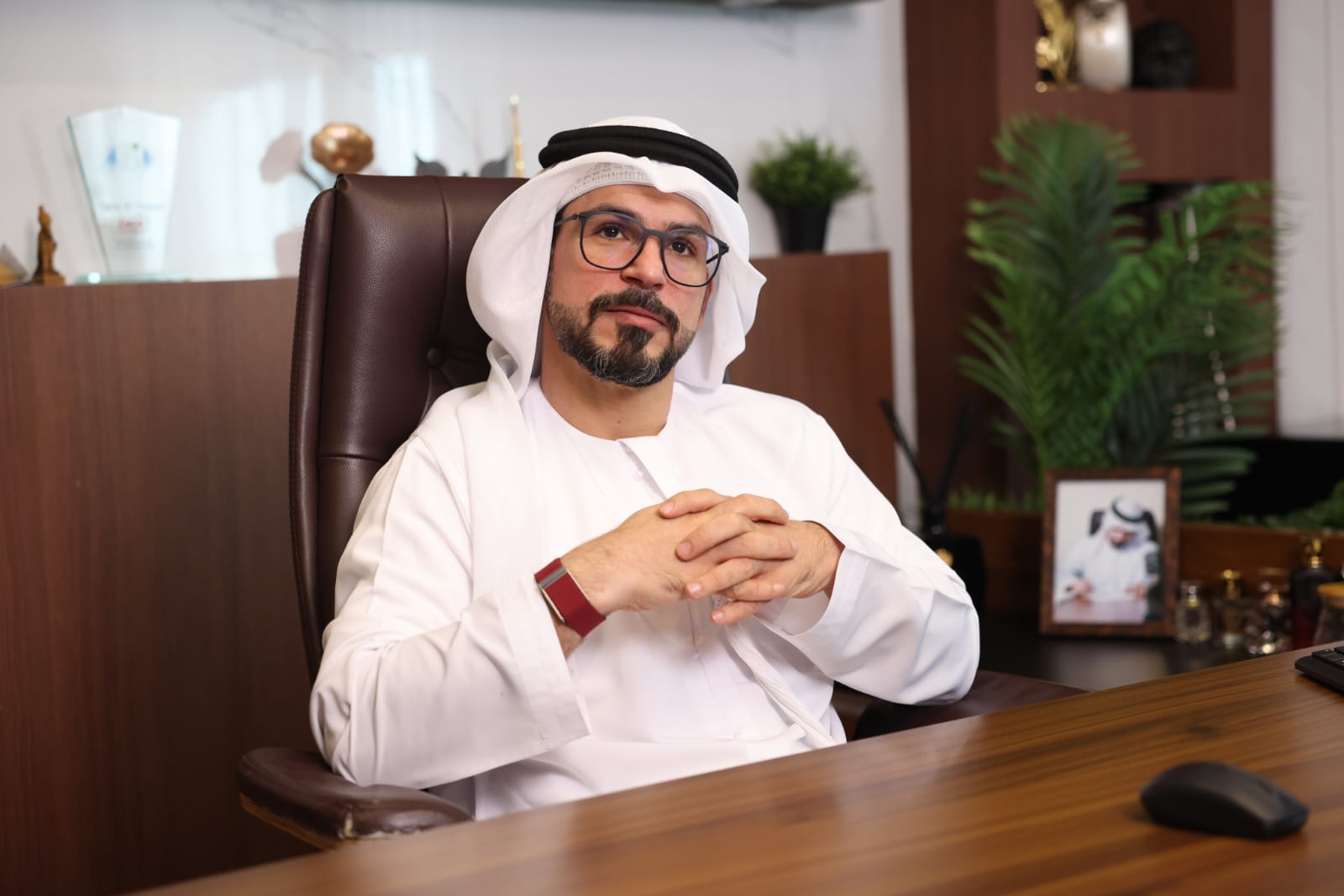
In this context, Mr. Tariq Al Hosani , Founder, and Chairman of ZeroGravity, stated:
“We fully recognize that concerns about job losses are natural, but our primary goal is to empower both institutions and employees alike. The role of the conscious digital twin is not a substitute for the skilled human being rather, it is a means of ensuring stability, safeguarding knowledge legacies and expertise, and maintaining business continuity even in cases of absence or biological death within a strict ethical and legal framework.”
For his part, Nasser Hilal, Chief Executive Office of the Group, affirmed that the company places responsible technology use at the forefront of its priorities, saying:
“We are keen for these technologies to serve as supportive tools that enhance productivity and assist employees rather than threaten them. It is true that the rapid pace of AI development may soon make such capabilities a reality, but our foremost and genuine commitment lies in the ethical and legal safeguards governing the application of this forward looking technology.”
Meanwhile, analysts believe that employing artificial intelligence in this manner could redefine the very concept of work from the mere execution of tasks to the permanent preservation of professional intelligence and expertise ensuring that knowledge is not lost, particularly in times of crisis when its holders are inevitably absent.
Regarding the possibility of this innovation shifting from a theoretical idea to practical application, Tariq Al Hosani noted that the Arab world witnessed accelerated growth in the use of artificial intelligence tools during the second half of last year, pointing out that the United Arab Emirates has ranked first regionally in terms of the proportion of the workforce adopting such tools. He added:
“The local market today possesses the readiness to absorb innovations that strengthen the leadership of the national economy. Once this direction fulfills its legal, technical, and ethical requirements, it can represent a qualitative leap in preserving the knowledge heritage of experienced professionals and ensuring that their expertise is not lost suddenly due to absence or departure thus making artificial intelligence an instrument for protecting and sustaining human knowledge not replacing it.”
Within this framework, the bet remains on responsible innovation as a means of improving the quality of work, supporting pathways of growth and prosperity, and keeping pace with the rapid transformations of the modern era without sacrificing the human dimension of labor.


